
Understanding the signs of gambling addiction for better awareness
Defining Gambling Addiction
Gambling addiction, often referred to as compulsive gambling or pathological gambling, is characterized by an uncontrollable urge to gamble despite the negative consequences. Individuals who experience this addiction often find themselves preoccupied with gambling activities, leading to significant emotional and financial distress. For those interested in celebrity gamblers, the phenomenon shines a spotlight on how fame can amplify compulsive behaviors. This addiction transcends mere recreational gambling; it becomes a compulsive behavior that disrupts lives and relationships. You can explore more about this aspect at 32redonlinecasino-uk.com/.
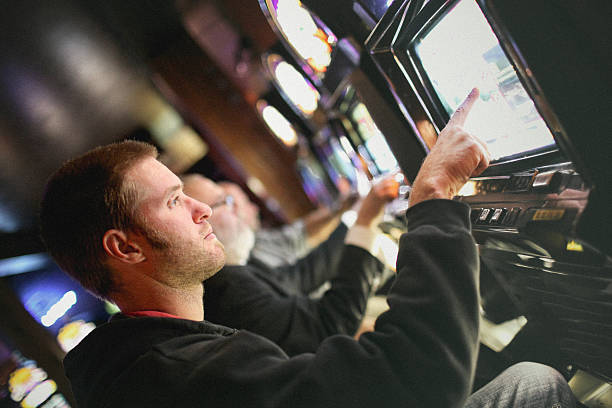
Recognizing gambling addiction is crucial for early intervention. Many individuals may not realize they are experiencing addiction, as it often starts subtly. They might initially view gambling as a harmless pastime, but over time, it escalates to a point where it interferes with daily responsibilities and relationships, causing a ripple effect in various aspects of their lives.
Understanding the definition and implications of gambling addiction can create awareness not only for those affected but also for their loved ones. By identifying the signs early on, individuals and families can seek appropriate help, paving the way for recovery and healthier coping mechanisms. Awareness serves as the first step toward change and recovery.
Common Signs of Gambling Addiction
One of the most prominent signs of gambling addiction is the need to gamble with increasing amounts of money to achieve the desired excitement. This compulsive behavior often leads individuals to risk more than they can afford to lose, resulting in severe financial consequences. For example, someone may initially gamble a small amount for fun but eventually finds themselves betting larger sums, escalating their risk.
Another significant indicator is the inability to control gambling urges. Many individuals may promise themselves to quit or cut back, only to find themselves gambling again soon after. This cycle of promise and failure not only leads to financial ruin but can also cause emotional distress, including anxiety and depression, as they grapple with the consequences of their actions.
Additionally, social withdrawal is a common sign of gambling addiction. Those affected may isolate themselves from family and friends, choosing to gamble over spending quality time with loved ones. This withdrawal can lead to strained relationships and loneliness, further compounding the emotional turmoil associated with the addiction.
The Impact of Gambling Addiction on Relationships
Gambling addiction can have devastating effects on relationships. Family members often bear the brunt of the emotional fallout, feeling betrayed, frustrated, or helpless as they witness their loved one struggle with this addiction. Trust is eroded when financial burdens arise, leading to conflicts over money and priorities. In many cases, loved ones may find themselves becoming enablers, inadvertently supporting the addiction through loans or silence.
Furthermore, the compulsive nature of gambling can lead to significant emotional distress for both the gambler and their loved ones. Those close to the individual may experience feelings of anger, confusion, and sadness as they try to understand the compulsive behaviors. This emotional strain can lead to conflicts, arguments, and, in some cases, the breakdown of the relationship altogether.
In extreme cases, the impact of gambling addiction can lead to severe consequences, such as divorce or separation. Individuals may prioritize their gambling habits over their relationships, choosing to spend time and resources on gambling rather than nurturing their partnerships. This behavior can leave lasting scars on families and friendships, highlighting the need for intervention and support.
Seeking Help and Support
Recognizing the need for help is a pivotal step for individuals grappling with gambling addiction. Various resources are available, including support groups, therapy, and counseling services tailored specifically for gambling addiction. These resources can provide individuals with the tools necessary to understand their addiction, cope with triggers, and develop healthier habits.
Support groups, such as Gamblers Anonymous, offer a communal space for individuals to share their experiences, struggles, and victories. These groups often foster a sense of belonging and understanding, helping individuals feel less isolated in their battles. The support and shared experiences can provide invaluable motivation for recovery.
Therapeutic interventions can also play a crucial role in recovery. Cognitive-behavioral therapy (CBT), for instance, helps individuals identify and change negative thought patterns related to gambling. This approach can empower individuals to replace gambling with healthier coping strategies, ultimately leading to lasting change and recovery.

Exploring Responsible Gambling Options
Understanding gambling addiction is essential not only for those directly affected but also for the broader community, including online platforms like 32Red Online Casino. Responsible gambling initiatives are vital in promoting a healthy gaming environment. Such initiatives often include setting limits on deposits, time spent playing, and ensuring that players have access to resources that encourage moderation and awareness.
32Red Online Casino, for instance, offers numerous features aimed at fostering responsible gaming practices. Players are encouraged to take regular breaks, set budgets, and engage with resources that provide support and guidance. By prioritizing responsible gambling, online casinos can help mitigate the risk of addiction and promote a more enjoyable gaming experience.
In addition to promoting responsible gaming practices, online casinos also play a role in raising awareness about gambling addiction. By providing educational materials and access to support services, platforms can help educate players about the signs of addiction and the importance of seeking help. This collective effort can contribute to a healthier gaming culture, where individuals can enjoy their experiences without risking their well-being.